 Fitness Home Journal

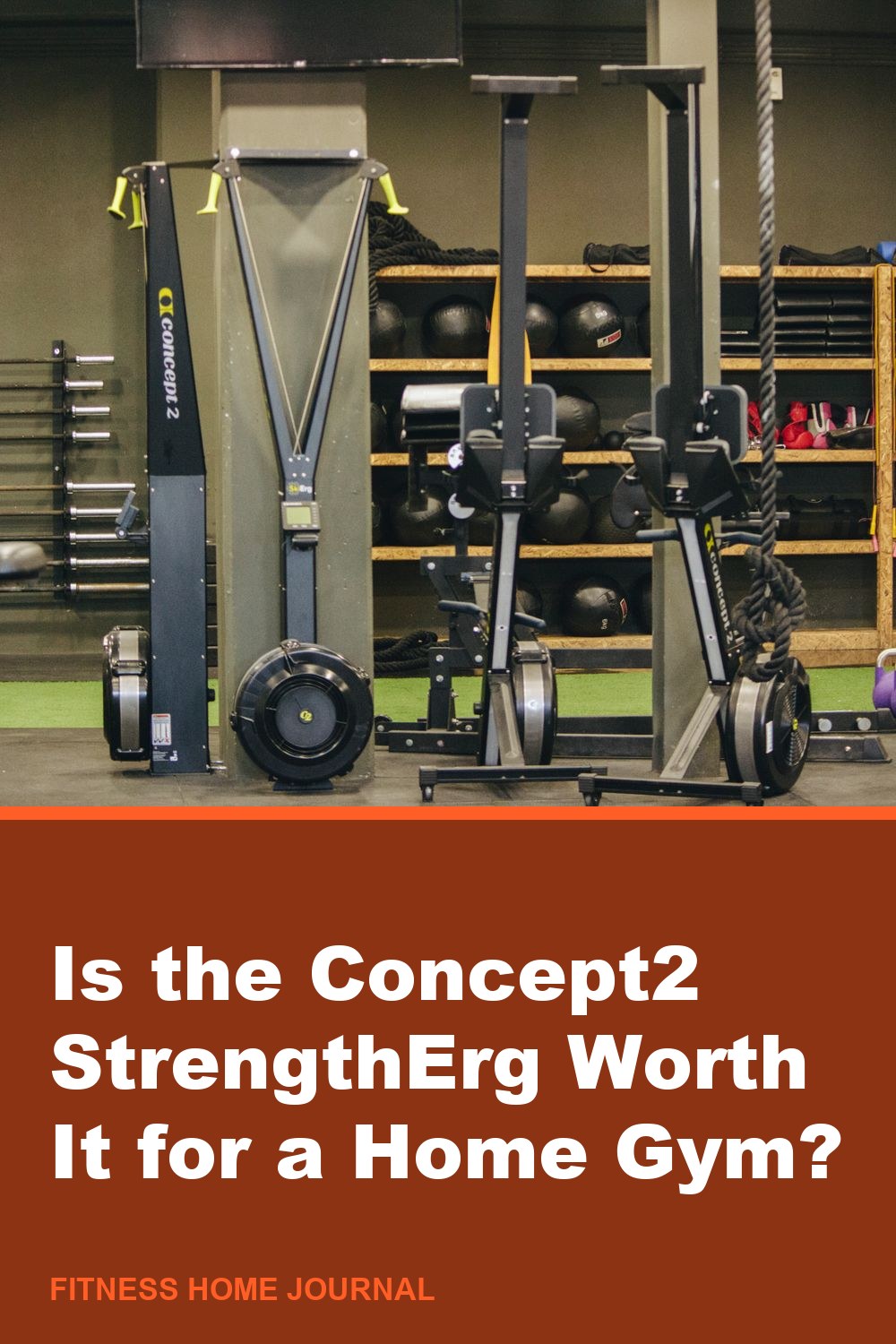

- The StrengthErg is worth it if you are short on space and want rowing cardio and resistance work from one machine, not just one more gadget.
- A traditional rower trains mainly cardio; the StrengthErg adds adjustable-resistance strength work, so judge it against a rower plus weights.
- Before buying, confirm price, footprint and which strength movements it supports with Concept2, then plan three sessions a week you will actually do.
The Concept2 StrengthErg is worth it for home use if your main problems are limited space and limited time, and you want rowing-style cardio and strength work from one machine. It is probably not worth it if you already own a rower and a set of dumbbells and use them well. The machine matters now because it blends two jobs that usually need two pieces of equipment, and that changes the question from "which rower?" to "does one machine beat two?"
What the StrengthErg is meant to do
Traditional rowing machines focus mainly on cardiovascular fitness. The StrengthErg adds resistance training on top, aiming to build strength in major muscle groups. Adjustable resistance is the key feature: you set the load for your level, whether you are building foundational strength or are an experienced athlete wanting more from your training.
That adjustability also lets you move from low-impact cardio to harder strength work without changing equipment. For a small home gym, that is the whole appeal: fewer machines, less clutter, one place to train.
What the evidence does and does not show
Combining cardio and strength is a sound idea. Training both supports balanced development, and the earlier coverage of this machine linked that mix to better body composition, a higher metabolism and more efficient workouts. Treat those as reasonable expectations, not guarantees. Nothing here shows that a combined machine produces better results than the same hours spent on a separate rower and weights.
What it clearly offers is convenience. You will train more if starting is easy, and consistency usually beats the perfect piece of kit.
Criteria that decide whether it suits your home
Run any combined machine through this list before you spend money:
- Floor space: measure where it will live, including room to use it and to store it. The machine only saves space if it replaces other equipment you would otherwise own.
- Your main goal: if strength and cardio matter equally, a hybrid fits. If you are training for a rowing time or a heavy lifting number, you will likely want specialist tools.
- Adjustable resistance range: beginners need a comfortable starting load; experienced lifters need room to progress. Check that the top end will still challenge you in a year.
- Low-impact use: useful if you want joint-friendly cardio or are returning to training after a layoff. If you are recovering from an injury, ask a doctor or physiotherapist first.
- Exercise variety: the machine is described as supporting different exercises for specific muscle groups. Confirm exactly which movements it covers on Concept2's own page.
- Price against the alternative: compare the full cost with a rower plus weights. Our post on rowing machines under $500 shows what the cardio-only route costs.
What not to pay for
- Features you will not use. A longer list of settings does not build muscle. Progressive resistance and a repeatable routine do.
- Replacing everything at once. Do not sell the dumbbells you already own until you have trained on the new machine for a few weeks.
- The "revolution" label. Marketing talks of transformed workouts; your results will come from sessions completed, not from the logo on the frame.
- A machine for a goal you do not have. If you simply want to get stronger, a basic setup works. See our no-equipment home strength routine for a free place to start.
A good-enough setup by budget
You do not need the combined machine to get the combined benefit. Pick the tier that matches your money and space:
- Lowest spend: a mat, bodyweight moves and one pair of dumbbells, plus walking or running for cardio. The one-set-of-dumbbells workout shows how far that goes.
- Middle: a rower for cardio plus adjustable dumbbells or resistance bands for strength. This is the standard two-item route and the one to beat.
- Highest spend, least space: the StrengthErg, if the checklist above says one machine suits you better than two.
How to test whether you will use it
Before buying, or in your first two weeks after, run this simple plan three days a week. The Honest Toolkit three workouts a week guide is a good frame for it.
- Warm up (5 minutes): easy, low-impact rowing-style effort, or any gentle movement, until you are warm.
- Strength block (15 minutes): choose 3 movements that load your legs, back and arms. Do 3 sets of 8 to 12 reps at a load that leaves 2 reps in reserve.
- Cardio block (10 minutes): steady effort you could hold a short conversation through.
- Progress weekly: add a rep or a small amount of resistance when all sets feel manageable.
If you reach week four having completed most sessions, the habit is working and the machine is earning its space. If you keep skipping, the problem is the plan, not the equipment, and a cheaper setup will do.
Who should and should not buy it
It suits people with a small room, a busy schedule and a goal that mixes fitness, strength and general health. It also suits those who value low-impact work and functional fitness, meaning exercises that carry over to everyday movement and mobility as you age.
Skip it if you already have a rower and weights you use, if your budget is tight, or if you are chasing a specialist goal. Whatever you choose, listen to your body, and see a doctor or qualified professional if you are starting after a layoff, recovering from an injury, or managing a health condition.
FAQ
Is the StrengthErg suitable for beginners?
The adjustable resistance means a beginner can start light and increase the load gradually. Begin with fewer sets than you think you need and add volume over several weeks.
Can it help with recovery after an injury?
Its low-impact nature is considered friendly for people easing back into training or working on mobility. Your doctor or physiotherapist should approve any return to exercise first.
As an Amazon Associate I earn from qualifying purchases: if you buy through these links I may earn a small commission, at no extra cost to you. Each link opens a search on the Amazon store for your country.
Photo: TUBARONES PHOTOGRAPHY / Pexels

I'm an Italian creator who builds apps, games and websites. I run Fitness Home Journal with the help of AI tools: every article starts from the sources linked above, and I check what goes out. I'm not a doctor, a lawyer or a financial adviser. Spotted a mistake or have an idea? Write to me.
Instagram @spartaco_94_My websiteWrite to meAbout this blog










 Reinventing Yourself After 40: A Guide to Embracing Change and New Beginnings





