 Fitness Home Journal

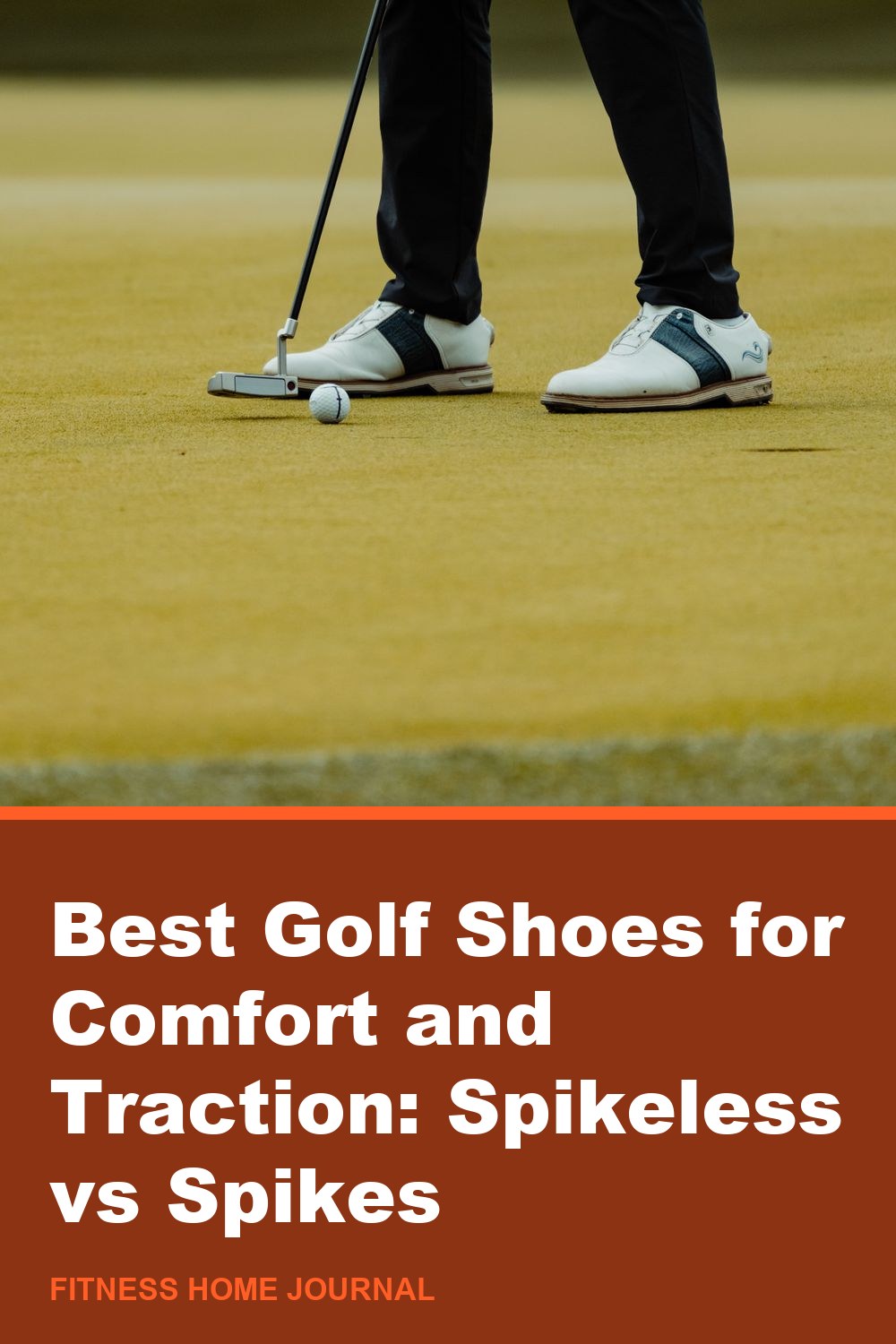

- For most walking golfers, a spikeless shoe is the best starting point: Men's Health named the Adidas S2G 26 Leather Spikeless best overall.
- Pick by your main problem: Ecco Biom H5 for comfort, FootJoy Hyperflex for soft-spike grip, Nobull Ripstop for damp weather.
- Spiked shoes may give peak traction on wet or uneven lies, but spikeless grip is enough for many players and feels better off the course.
For most golfers who walk their rounds, the best choice for comfort and traction is a spikeless shoe, with soft spikes as the upgrade when you need more bite and a more traditional spiked design only if your course is often wet or uneven. Men's Health tested over a dozen pairs and named the Adidas S2G 26 Leather Spikeless the best overall. Golf means walking several miles and then swinging hard from a stable base, so what is on your feet affects your knees, ankles and how tired you feel on the back nine. Here is how to choose, what to skip, and how to check a pair before you commit.
Spikeless, soft-spike or traditional: matching the shoe to your course
Modern golf shoes have moved well beyond the old metal spikes. The current choice is mostly between softer spike designs and spikeless rubber soles, and each suits a different kind of round.
- Spikeless: rubber soles with a grippy tread give reliable traction on most surfaces and are gentler on the grass. They are also more comfortable and versatile away from the course, so they suit golfers who want one everyday shoe.
- Soft spike: these add grip without costing you natural movement through the swing. They are worth considering if your feet slide in spikeless soles.
- Traditional spiked styling: spikes may deliver peak traction on wet or uneven lies. Classic-looking models now come with modern comfort features, so you no longer have to choose between style and cushioning.
Whichever you pick, soft spikes and spikeless soles both protect the turf while still giving enough grip for varied surfaces and weather.
The Men's Health picks, sorted by what you need
According to Men's Health, the tested shoes were judged in categories including comfort, traditional style, weatherproofing and traction. Here are the winners matched to the problem you are trying to solve.
| Your priority | Men's Health pick | Why it stood out |
|---|---|---|
| One shoe that does everything | Adidas S2G 26 Leather Spikeless | Best overall: comfort and performance without metal spikes |
| Comfort on long walks | Ecco Biom H5 | Cushioning and support suited to long rounds |
| Classic looks | Sun Day Red Pioneer Cypress | Traditional styling with modern comfort features |
| Extra grip, natural movement | FootJoy Hyperflex | Excels in soft-spike design |
| Damp conditions | Nobull Ripstop | Durable, keeps you dry and gripping in wet weather |
What to look for: the criteria that matter
Use this list when you compare any pair, tested or not.
- Stability under the swing. Your feet should not slide or roll when you rotate and transfer weight. A golf shoe steadies the foot for precise weight transfer and balance, which a running or gym sneaker, built for multidirectional movement, does not do as well.
- Cushioning and support for walking. If you walk the course, this is your first filter. Comfort-focused designs like the Ecco Biom H5 are aimed at exactly that.
- Light, breathable build. Lighter, sneaker-style shoes are described as helping with circulation and foot fatigue over long hours.
- Grip that matches your weather. Spikeless for mostly dry or mixed conditions; soft spikes or spiked styles if you regularly face wet, uneven ground.
- Weather protection if you play in damp conditions. Waterproof, durable construction like the Nobull Ripstop is the category to shop in.
- Turf-friendly soles. Soft spikes and spikeless rubber are kinder to the course.
What not to pay for
- Metal-spike heritage. Modern shoes have moved past it, so do not assume old-style spikes mean better footing.
- Maximum traction you will rarely use. Peak spiked grip matters most on wet or uneven lies. If most of your rounds are dry, spikeless grip is enough for many players.
- Style over fit. Classic looks are a fine reason to buy the Sun Day Red Pioneer Cypress, but only because it also has modern comfort features. Look at the comfort first.
- A second specialist pair before you need it. Weatherproof shoes earn their place only if you actually play in the wet.
- Injury-prevention promises. Better footwear is said to reduce strain on knees and ankles and the risk of slips, but the tests did not measure injuries. Treat that as a reasonable benefit, not a guarantee.
A good-enough setup by how much you play
The tests gave no prices, so here is the setup by priority instead of by budget.
- One pair only: a spikeless shoe in the style of the Adidas S2G 26 Leather Spikeless. It covers most conditions, protects the turf and works off the course too.
- One pair, long walking rounds or sore feet: put comfort first and look at the Ecco Biom H5 category: cushioning plus support.
- One pair, grip is your complaint: move to a soft-spike design like the FootJoy Hyperflex.
- Two pairs: keep your everyday spikeless pair and add a weatherproof one such as the Nobull Ripstop for damp days. Rotating also gives each pair time to dry.
How to test a pair before your first round
- Try them on late in the day, with the socks you play in.
- Walk around the shop or your home for a few minutes and notice any rubbing, pinching or heel slip.
- Do a few practice swings in them. Your feet should feel planted as you rotate, not skating.
- Wear them for a short walk before a full round, so a hot spot shows up on a walk and not on hole 12.
- Check the grip on the surface you play most: damp grass, slopes, wet paths to the tee.
After the round, a minute or two of rolling the soles of your feet over a small ball or foot roller feels good for tired arches, though the tests did not study it. If you have recurring knee or ankle pain, see a doctor first. Our post on knee pain causes and solutions explains what clinicians want you to understand.
Protecting your joints beyond the shoe
A shoe supports your feet but does not replace strength. Strong legs help you through a round of walking and swinging, and a short home session builds that. Try the 16-minute dumbbell leg workout for a simple place to start. Bright courses call for eye protection too, so see our notes on golf sunglasses and lens tint.
Brands are expected to keep blending sneaker comfort with golf features, so more hybrid shoes that work on and off the course are likely. That is a reason to try before you buy, not to wait.
FAQ
Are spikeless golf shoes as good as spiked ones?
For many players, yes. Spikeless soles give reliable traction on most surfaces and are gentler on the grass. Spiked designs may still have the edge on wet or uneven lies, so choose by the conditions you actually play in.
This article is informational only and is not medical advice.
As an Amazon Associate I earn from qualifying purchases: if you buy through these links I may earn a small commission, at no extra cost to you. Each link opens a search on the Amazon store for your country.
Sources
Photo: Ahmet Can Avcı / Pexels

I'm an Italian creator who builds apps, games and websites. I run Fitness Home Journal with the help of AI tools: every article starts from the sources linked above, and I check what goes out. I'm not a doctor, a lawyer or a financial adviser. Spotted a mistake or have an idea? Write to me.
Instagram @spartaco_94_My websiteWrite to meAbout this blog










 Reinventing Yourself After 40: A Guide to Embracing Change and New Beginnings





