 Fitness Home Journal

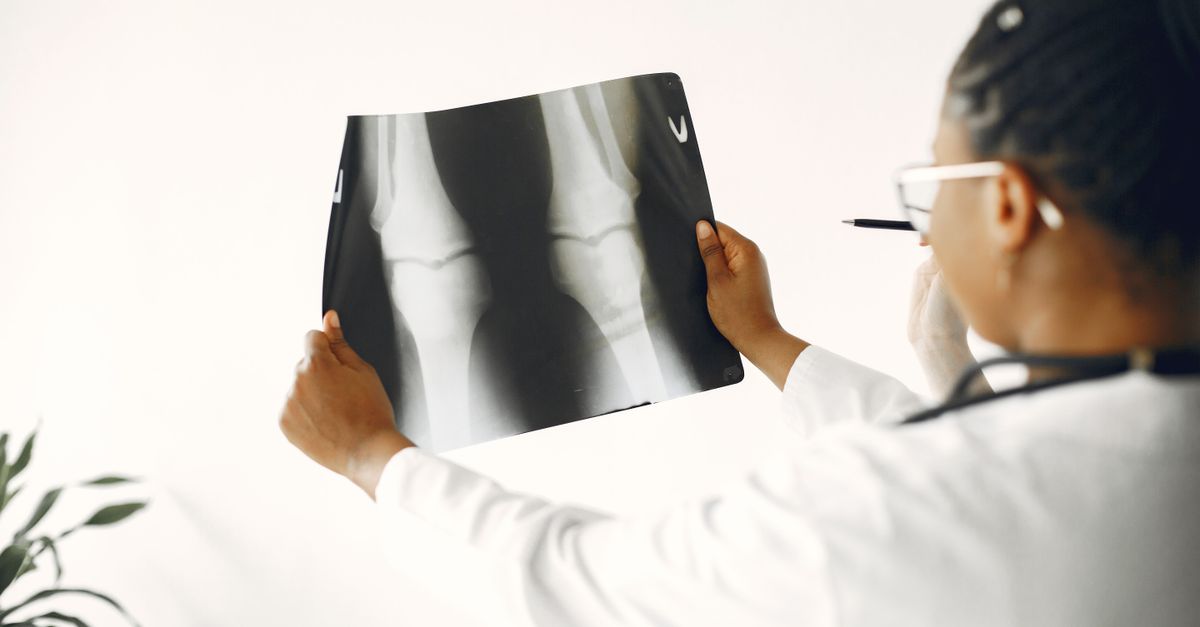
Knee pain is one of the most common complaints among fitness enthusiasts and everyday athletes alike, yet it is often misunderstood. Your knees are intricate joints, bearing immense stress with every step, squat, or sprint you take. Understanding what knee pain may be signaling is essential—not only to prevent injury but also to preserve long-term mobility and strength. If you’ve ever felt sharp twinges during your workout or persistent discomfort after a weekend basketball game, knowing why your knees hurt and how to respond can make all the difference in maintaining an active lifestyle.
Why this matters
Knees are more than simple hinges; they are complex joints connecting three bones, stabilized by major tendons and four key ligaments, including the ACL. Each day, the forces exerted on them can be two to three times your body weight, even with basic movements like walking. For those invested in home fitness, strength training, or recovery, safeguarding your knees is vital. Knee pain can hinder your ability to train consistently and may signal underlying damage that, if unaddressed, could lead to chronic issues such as osteoarthritis. Developing good habits now can help you stay strong, mobile, and pain-free in both your workouts and daily life.
What is happening
According to orthopedic experts cited by Men's Health, a variety of factors cause knee pain, depending on activity and lifestyle. For example, sports with sudden changes in direction, like CrossFit and pickleball, are leading causes of meniscus tears. These tears often occur when your foot stays planted, but your body twists, placing strain on the knee’s cartilage. The popping sound many people report can be a sign of an ACL tear, which is a serious ligament injury deep within the knee.
Another frequent cause of knee pain involves “weekend warrior” behaviors—suddenly ramping up intense activity after long periods of inactivity. This pattern often leads to inflammation and pain in the patellar tendon, located at the front of the knee. Tendons have limited blood supply and heal slowly from microtears, so repetitive stress without adequate recovery can prolong discomfort.
Over time, natural wear and tear leads to osteoarthritis, in which the cartilage cushioning your bones degrades. This deterioration is irreversible and can accelerate with factors such as genetics, excess body weight, poor joint alignment, or past knee injuries. Despite decades of research and funding, fully restoring damaged cartilage remains beyond current medical capabilities.
Certain signs indicate you should seek professional help promptly. Swelling severe enough to obscure typical knee contours, episodes where your knee gives out or collapses during weight-bearing activities, or locking and catching sensations could all signal significant internal damage and require medical evaluation.
What readers can take away
- Progress weight and intensity gradually. Avoid aggressively increasing squats or leg workouts to maintain knee stability and proper alignment. Excessive load without control raises injury risk.
- Maintain a healthy body weight. Carrying less weight reduces the mechanical load on your knees, easing stress on cartilage and ligaments.
- Consistency matters most. Regular, manageable exercise strengthens knee-supporting muscles and promotes joint health. Avoid binge workouts followed by long periods of inactivity.
- Physical therapy can be key. A trained therapist can assess your biomechanics, identify weak areas (such as hips or core), and tailor strengthening exercises to reduce knee pain.
- Rest isn’t always the solution. Unlike broken bones, knees often improve with controlled, consistent movement rather than complete downtime.
What to watch next
Emerging treatments and techniques, such as less invasive ACL repair methods that avoid traditional surgery, are gaining attention and may soon offer alternatives for certain knee injuries. Additionally, evolving recommendations continue to emphasize how targeted exercise and biomechanical correction are central to managing and preventing knee pain. Staying informed on advances in physical therapy approaches and surgical options can help you make better decisions if knee pain arises.
FAQ
How do I know when knee pain requires seeing a doctor?
If your knee is severely swollen to the point that normal skin dimples around the kneecap disappear, if it collapses during walking or stair climbing, or if it locks and prevents full extension, these signs warrant prompt medical evaluation. These symptoms could reflect ligament or meniscus injuries that need professional assessment.
Are knee braces effective for pain relief?
While knee sleeves may offer some comfort or remind you to be cautious with movement, current scientific evidence shows that braces do not provide significant therapeutic benefit in most cases. They should not replace proper exercise, therapy, or medical treatment.
Can running damage my knees permanently?
Contrary to popular belief, running itself does not inherently wreck knees. Consistent, moderate running alongside strength training can support joint health. Problems arise mostly from sudden excessive loads, poor form, or failure to strengthen supporting muscles.
This article is informational only and is not medical advice. Original source: read more here.
Written and edited by Ciro Simone Irmici. More about who writes here: About the author.

I'm an Italian creator who builds apps, games and websites. I run Fitness Home Journal with the help of AI tools: every article starts from the sources linked above, and I check what goes out. I'm not a doctor, a lawyer or a financial adviser. Spotted a mistake or have an idea? Write to me.
Instagram @spartaco_94_My websiteWrite to meAbout this blog










 Reinventing Yourself After 40: A Guide to Embracing Change and New Beginnings





