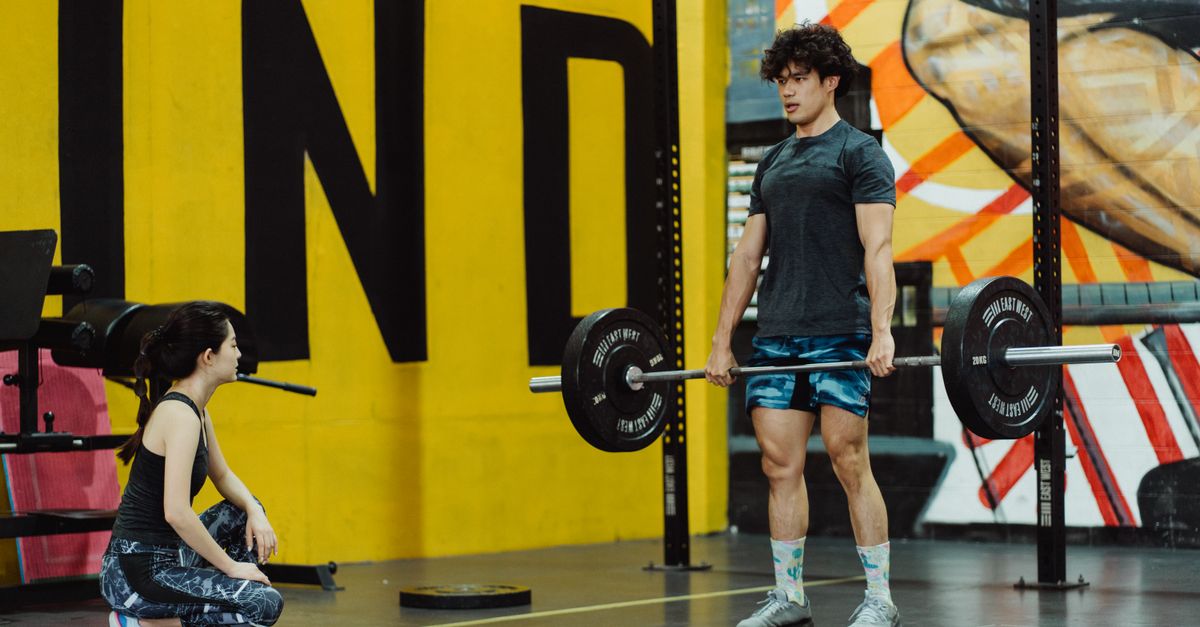
The barbell deadlift is one of the most foundational strength exercises, engaging major muscle groups from your legs to your upper back. It’s deceptively simple—lift a heavy weight from the ground and stand tall—but performing it correctly is essential to maximize gains and minimize injury risk. According to insights from fitness professionals featured on Men’s Health, mastering proper deadlift form is crucial for anyone serious about building strength at home or in the gym.
Why this matters
The deadlift activates a broad range of muscles, making it exceptionally effective for developing total-body strength, particularly through the posterior chain—which includes your glutes, hamstrings, and lower back. When executed properly, it strengthens these key areas and can improve posture, athletic performance, and daily functional movements like lifting and carrying. On the flip side, improper form can place dangerous stress on the lower back, shoulders, and knees, increasing the chance of injury. For home fitness enthusiasts and strength trainers alike, understanding and practicing the correct technique can lead to sustainable progress without setbacks caused by pain or overuse.
What is happening
Barbell deadlifts might look like a simple “pick-up and put-down,” but the technical details define whether the lift is effective and safe. According to Brett Williams, NASM-certified personal trainer, and Ebenezer Samuel, C.S.C.S., fitness director at Men’s Health, several form keys help lifters—and especially beginners—execute the deadlift properly.
First, foot positioning matters. The feet should be about shoulder-width apart with the bar close to your shins, almost touching them. It’s important to push the hips back and hinge at the waist rather than bending at the knees first, grabbing the bar with an overhand grip just outside the legs.
Before lifting, engage your lats and rhomboids by squeezing your shoulder blades together, as though trying to “pop a walnut” in your mid-back. This upper back tightness prevents rounding, which is a common flaw that leads to injury. Simultaneously, your core muscles—including the lower back, obliques, and abs—must brace firmly to stabilize your spine throughout the move.
As you lift, drive through your feet and keep the barbell close to your body, allowing it to nearly scrape your shins. At the top of the lift, squeeze your glutes but avoid leaning backward. Lower the weight with control and repeat.
One practical caution for newcomers is to avoid lifting belts or wrist straps initially. While these accessories are common among experienced lifters seeking heavier lifts, beginners benefit more from focusing on establishing proper technique first. Overreliance on gear could mask form deficiencies and potentially encourage unsafe habits, according to the experts.
What readers can take away
- Prioritize form over weight: Proper positioning and muscle engagement should come before adding heavier loads.
- Engage your lats and upper back: Squeezing your shoulder blades sets the stage for spine safety and better lift power.
- Brace your core naturally: Use your body’s natural muscles—abs, obliques, and lower back—to stabilize without a belt as a first step.
- Keep the bar close to the body: This reduces leverage strain and helps maintain control during the lift and descent.
- Practice the hip hinge: Mastering this fundamental movement helps shift the work to your posterior chain and protects your knees and back.
What to watch next
While there are no specific upcoming deadlines or groundbreaking updates in deadlift methodology, continuous attention is given to progressive coaching and training aids for safety and performance improvement in home or gym settings. Fitness educators stress eliminating bad habits early, meaning future training approaches may increasingly emphasize technique mastery through digital coaching and careful form assessment before pushing heavier weights. For those new to deadlifting, ongoing learning and cautious progression remain the best steps forward.
FAQ
How important is foot placement in the deadlift?
Foot positioning is very important because it sets the foundation for the lift. Placing your feet about shoulder-width apart with the bar positioned close to your shins helps maintain balance and allows proper hip and knee alignment. According to the experts quoted, it’s a critical starting point to lift safely and effectively.
Should beginners use lifting belts or wrist straps?
Beginners are generally advised to avoid supportive gear like belts and wrist straps to focus on building natural core stability and grip strength. According to Men’s Health fitness director Ebenezer Samuel, these pieces of equipment are better saved for when you are handling heavier weights and have already developed solid deadlift form.
What are the main muscles worked during a deadlift?
The deadlift primarily targets the posterior chain, including the glutes, hamstrings, and lower back muscles. It also engages the upper back—especially the erector spinae and traps—and forearms for grip. This compound movement recruits multiple large muscle groups to develop strength and muscle mass effectively.
This article is informational only and is not medical advice. Original source: read more here.
- 𝕏 Twitter: @0_Simone_0
- 🎥 YouTube: Audiobook Free – Author Ciro Irmici
- 📸 Instagram: @spartaco_94_
- 💻 Tech Trends: techtrendspins.blogspot.com
- 💪 Fitness Home Journal: fitnesshomejournal.blogspot.com
- 🐾 Pet Care Inspo: petcareinspo.blogspot.com
- 🌍 Nomad Vibes Board: nomadvibesboard.blogspot.com
- 💰 Crypto Radar Board: cryptoradarboard.blogspot.com
- 🌱 Green Planet Pins: greenplanetpins.blogspot.com
- 🥗 Healthy Eats Board: healthyeatsboard.blogspot.com
Written and edited by Ciro Simone Irmici. More about who writes here: About the author.
Enjoyed this post? Share it or explore more across my blogs and channels.