 Fitness Home Journal

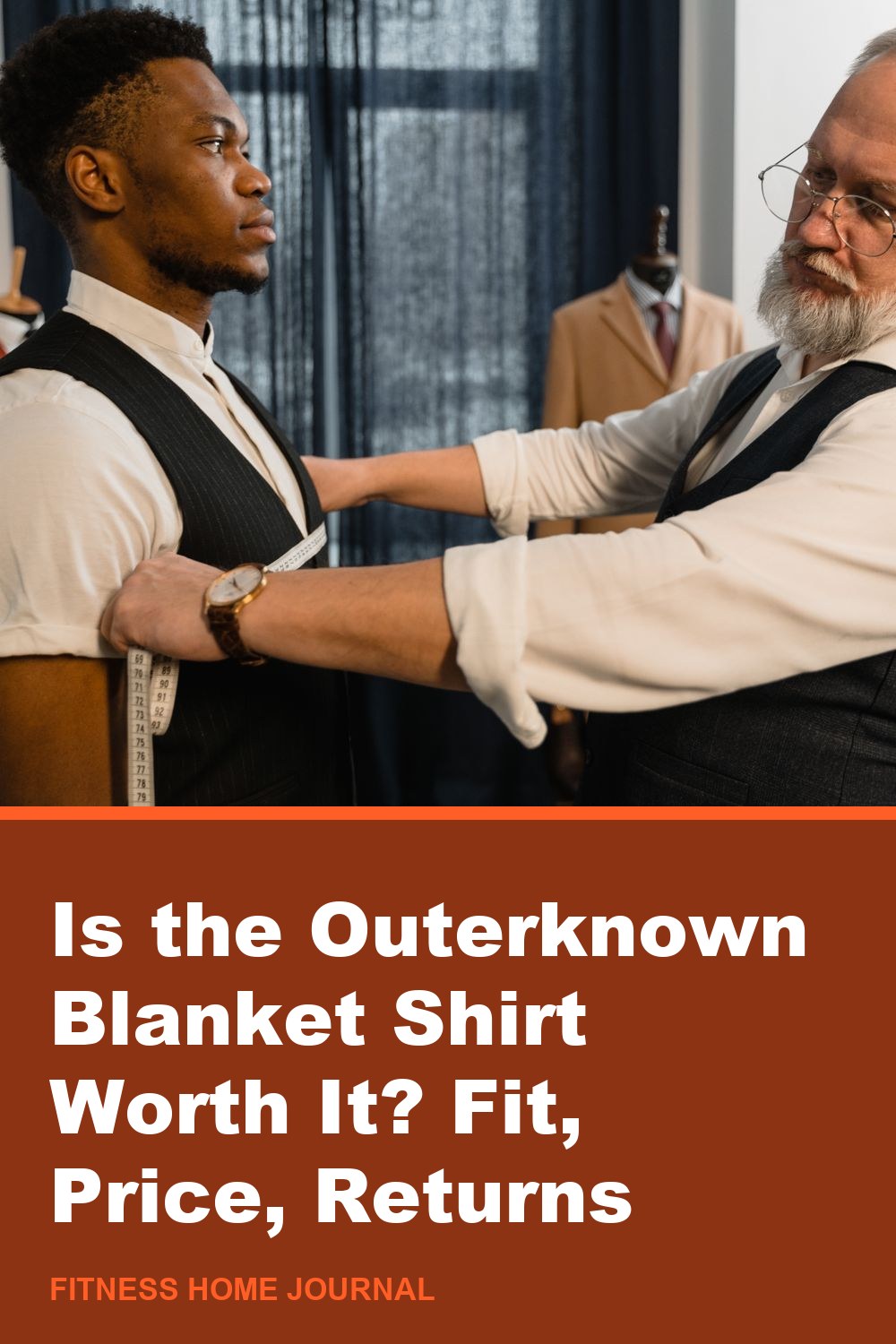

- The Outerknown Blanket Shirt sale advertised savings of up to almost $100, but 'up to' is a ceiling, so check the real price on your size.
- Judge the shirt on fit, durability, price and return policy; a discount only matters if you would buy it at full price.
- If a layer won't remove friction from a routine you already keep, such as getting to a home workout, skip it and spend on training gear.
The Outerknown Blanket Shirt is worth it only if it passes three tests: it fits your body, you will wear it most weeks, and the retailer lets you send it back if it doesn't. A recent promotion, billed as Blanket Shirt Day, advertised savings of up to almost $100 on this wardrobe staple. That is a good reason to look at the shirt, but it is not a reason to buy it. Below is a coach's way to decide, using the same logic we apply to any piece of gear, from dumbbells to running shoes.
What the sale tells you and what it leaves out
The headline figure is "up to" almost $100 in savings. That is the best case, not what every buyer saves. It does not tell you the final price, the size chart, how the shirt ages after months of washing, or how returns work. Those are the details that decide whether the shirt is worth your money.
A deal is also not a reason in itself. If you would not buy the shirt at full price, a discount only makes an unneeded purchase cheaper. If you would buy it anyway, the discount is a bonus. Ask that question first, then look at the product page.
The criteria that decide if it is worth it
Gear stories are most useful when the product fits a real routine, space, budget and comfort need. Run the shirt through this list:
- Fit: Check the brand's size chart against your own measurements. A soft tape measure takes two minutes. Check your chest, shoulders and sleeve length, and think about what you will layer under it.
- Durability: Read the care instructions and look for reviews from owners who have washed the shirt many times. Don't judge it on the product photos alone.
- Price: Divide the price you would actually pay by the number of times you realistically expect to wear it. A lower number means better value. Be honest about the wear count.
- Return policy: Look for the return window, whether you pay for return shipping, and whether sale items can be returned at all. Do this before you pay.
- Routine fit: Ask whether it removes friction from something you already do, such as a casual layer you reach for on the way to and from a home workout. If you can't name that moment, you may not need it.
If it passes four of the five and the return policy is fair, it is a reasonable buy. If it fails on fit or on routine, a bigger discount won't fix that.
What not to pay for
Some of what a sale pushes has nothing to do with whether the shirt works for you.
- Urgency. A themed sale day is designed to make you feel you must act now. Give yourself 24 hours; if you still want it, you still want it.
- The size of the discount. Savings of up to almost $100 say nothing about quality or fit. Compare the final price, not the percentage off.
- A "training" halo. A casual shirt is not training equipment, and nothing here suggests it improves a workout. It is clothing you choose for comfort and use. Don't let it come out of your gear budget for something that does change your training.
- A second one "because it's cheap." Buy one, wear it, then decide.
If the real goal is better home training, the same money usually works harder elsewhere. Our guide to choosing versatile home gear for all seasons covers how to prioritize, and our roundup of early Prime Day gym deals shows what a deal on actual equipment looks like.
A good-enough approach by budget
You don't need to own anything new to train well at home. Here is how I would sort the decision.
- Spend nothing: If you already have a comfortable layer you wear to and from workouts, keep using it. Put your effort into a routine you can repeat, such as three sessions a week of about 30 minutes. Our no-equipment home strength routine is a place to start, and the Honest Toolkit three-workouts-a-week guide helps you plan the week.
- Spend a little: A tape measure and a few minutes with the size chart cost almost nothing and prevent the most common mistake with any clothing purchase, which is the wrong size.
- Spend more on the shirt: Only when you have a clear moment of use, you have confirmed the size, the return window is fair, and you would pay the sale price without the discount tag.
Be honest about what we don't know. The shirt's fabric, true price and return terms are not described in the sale promotion, and no test or review is available here that rates how it holds up. Treat durability as unproven until you have read owner reviews yourself.
Seven steps to take before you buy
- Write down the one situation where you will wear it. If you can't, stop here.
- Open the product page and note the actual price for your size, not the "up to" figure.
- Measure your chest, shoulders and sleeve length and compare them with the size chart.
- Read the return policy and note the deadline and whether sale items are included.
- Look for reviews from people who have owned the shirt for months, and focus on wear and washing.
- Do the cost-per-wear math with a realistic wear count.
- Wait a day. If you still want it, order one, try it on at home right away and keep the packaging until you are sure.
FAQ
Does a blanket shirt count as workout gear?
No. It is casual clothing, and nothing suggests it improves training. It may suit the moments around a workout, but judge it as clothing by fit, comfort and price, and buy performance items separately.
Should I wait for a bigger sale?
There is no way to know whether a deeper discount is coming. The advertised savings were "up to" almost $100. If the price and return policy already work for you, waiting gains little. If you have doubts, waiting costs you nothing.
As an Amazon Associate I earn from qualifying purchases: if you buy through these links I may earn a small commission, at no extra cost to you. Each link opens a search on the Amazon store for your country.
Photo: Tima Miroshnichenko / Pexels

I'm an Italian creator who builds apps, games and websites. I run Fitness Home Journal with the help of AI tools: every article starts from the sources linked above, and I check what goes out. I'm not a doctor, a lawyer or a financial adviser. Spotted a mistake or have an idea? Write to me.
Instagram @spartaco_94_My websiteWrite to meAbout this blog










 Reinventing Yourself After 40: A Guide to Embracing Change and New Beginnings





