 Fitness Home Journal

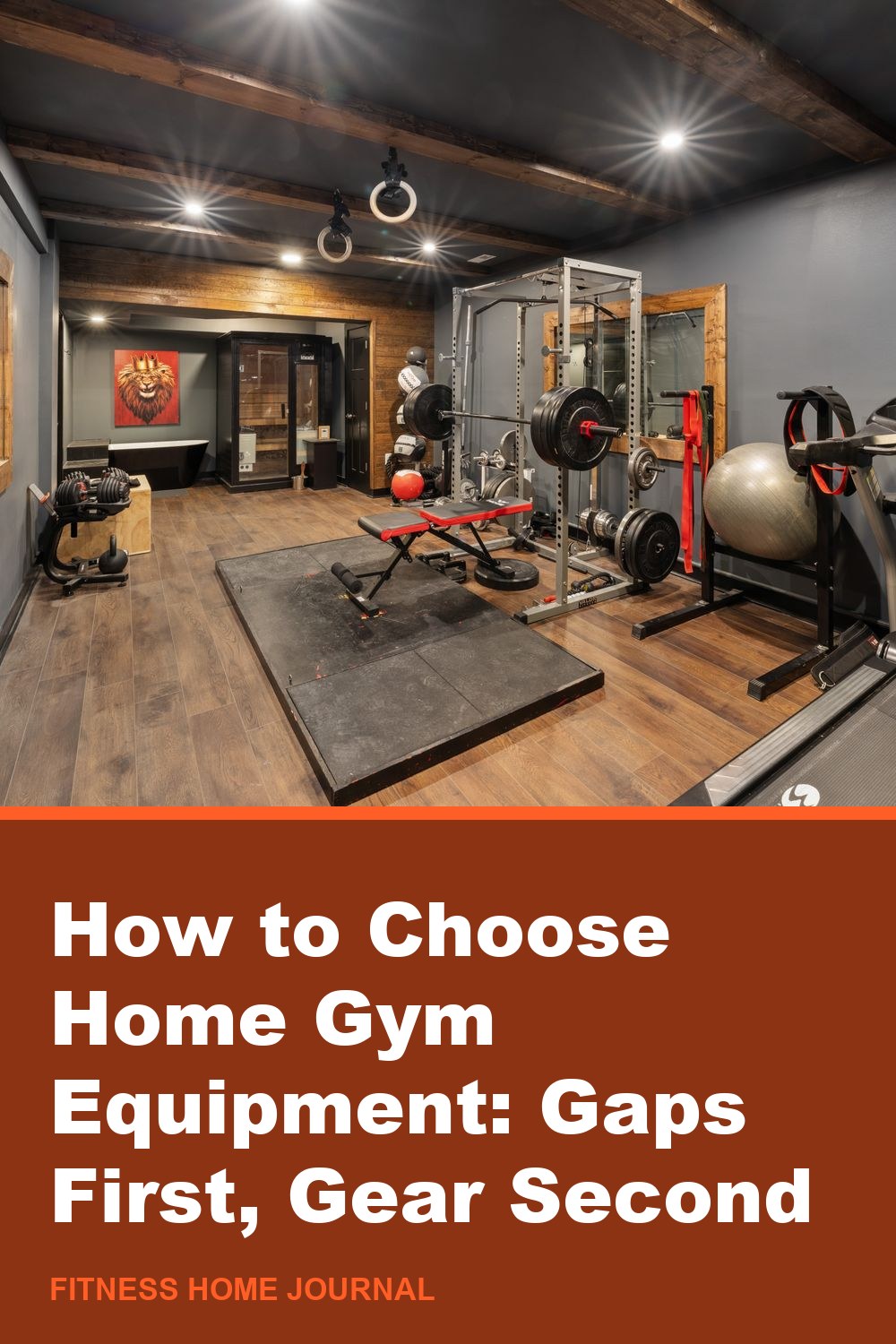

- Buy to fill a specific gap in your routine, not because an item is marked down by up to nearly 50%.
- Versatile, small-footprint basics like dumbbells, resistance bands and stability balls cover the widest range of exercises.
- Add trackers, recovery tools and apparel only after the basics are in place and you are actually using them.
The best way to choose home gym equipment is to start with the gaps in your current routine, not with the gear. Write down what you already do, spot what is missing (a way to load your legs, a pulling exercise, a way to track progress, a way to recover), and buy the cheapest versatile item that fills that one gap. Sales events such as Early Prime Day have brought discounts of up to nearly 50% on kettlebells, resistance bands, stationary bikes, trackers and apparel, and that is exactly when it is easiest to buy things you will not use. A short list written before you open any shopping page protects your money and your floor space.
Find the gap in your routine before you shop
Look honestly at the last two weeks of training. Which sessions did you skip, and why? Which movements never show up? Equipment should remove a real obstacle, not add a new hobby.
Ask four questions:
- Can I load the movements I need? If every exercise feels easy, you need resistance: dumbbells, a kettlebell or bands.
- Can I do cardio when the weather or my schedule says no? If not, a stationary bike is the type of equipment to consider.
- Do I know whether I am progressing? If you cannot say, a fitness tracker or smart scale may help.
- Am I recovering between sessions? If you are always sore or skipping days, recovery tools deserve a look.
Whichever answer hurts most is your first purchase. Everything else waits.
What to look for: criteria that separate useful gear from clutter
A home workout space gives you convenience and flexibility, but only if the equipment fits your life. Judge every item against this list:
- Versatility. Dumbbells, resistance bands and stability balls work for a wide range of exercises. One item that does ten things beats ten items that do one.
- Small footprint. If you train in a spare corner or a living room, an item you can slide under a bed or into a closet is one you will actually set up.
- Low friction. If a session needs fifteen minutes of setup, a busy week will beat it. Gear within arm's reach gets used.
- Fit with the sessions you really do. Squeezing in a quick session before work and doing a strength workout after a long day need different things. Pick for the sessions you have, not the ones you imagine.
- Room to progress. You should be able to make the same exercise harder over time, by adding weight, reps or resistance.
- Tracking that you will read. A tracker or smart scale only helps if you look at the numbers and let them keep you accountable.
For ideas on gear that holds up across seasons, our guide to choosing versatile fitness home gear goes deeper on the same principle.
What not to pay for
A discount is not a reason to buy. A product at nearly half price that you never use costs more than a full-price one you use three times a week. Skip these:
- Anything that duplicates what you own. A second set of similar resistance does not fill a gap.
- Big machines before you have a habit. A stationary bike can be a good fit if cardio is your gap, but not if you have not yet kept a routine for a few weeks.
- Smart tech you will not check. Trackers and smart scales can give useful insight into performance and health metrics, but the data does nothing if you ignore it.
- Recovery gadgets in place of the basics. Therapeutic devices can help you monitor and support recovery, but they come after sleep, spacing your hard days and a sensible routine. If you have pain or an injury, see a doctor rather than buying a device.
- Apparel for looks alone. Comfortable clothing may help your motivation and confidence, and that is a fair reason to buy it. But the useful test is function, not style: moisture-wicking fabric, a good fit and freedom of movement.
To be straight with you: whether any single gadget or outfit makes you train better has not been proven for the average home exerciser. Treat claims as ideas to test with your own routine, not guarantees.
A good-enough setup, tier by tier
You do not need everything at once. Build in layers and move to the next only when the last one is in regular use.
| Tier | What to buy | Gap it fills |
|---|---|---|
| Starter (tightest budget) | Resistance bands, one pair of dumbbells or a kettlebell, comfortable moisture-wicking clothes you already own or a basic set | Loading your main movements at home |
| Next layer | A stability ball, a second weight for progression, a basic tracker or smart scale | Exercise variety and knowing whether you progress |
| Bigger spend | A stationary bike, a recovery device | Reliable cardio indoors and supporting recovery |
If you can only buy one thing, make it a pair of dumbbells or a kettlebell. Our post on a 16-minute leg workout and shoulder day with one set of dumbbells shows how far a single piece of gear can go. If cardio is your gap, see our roundup of exercise bikes for at-home cardio before you commit to something large.
Your four-step buying plan
- Audit. Spend ten minutes listing what you did in the last two weeks and what you skipped. Our Honest Toolkit printable full body workout checklist is a handy way to see which movements are missing.
- Name one gap. Resistance, cardio, tracking or recovery. Only one.
- Test against the criteria. Is the item versatile, compact, quick to set up and able to grow with you? If it fails two of those, pass.
- Buy, then use it for a few weeks. Only when it is part of your routine do you go back to step two for the next gap. If a sale comes along in the meantime, it only matters if the item is already on your list.
Recovery tools are worth considering when you have a real routine to recover from. They support overall fitness and may help in preventing injuries, but they are an add-on, not a starting point.
FAQ
Are fitness trackers and smart scales worth buying?
They can be, if you will look at the numbers. Trackers and smart scales offer insight into your performance and health metrics and can help you stay accountable. If you know you will ignore the data, put that money toward resistance equipment first.
How do I choose workout clothes for home training?
Look for moisture-wicking fabric, a good fit and flexibility so you can move freely. Comfort is the main criterion, since clothes you like wearing are clothes you are more likely to train in.
This article is informational only and is not medical advice. If you have an injury or a health condition, talk to a doctor before starting or changing your training.
As an Amazon Associate I earn from qualifying purchases: if you buy through these links I may earn a small commission, at no extra cost to you. Each link opens a search on the Amazon store for your country.
Photo: Curtis Adams / Pexels

I'm an Italian creator who builds apps, games and websites. I run Fitness Home Journal with the help of AI tools: every article starts from the sources linked above, and I check what goes out. I'm not a doctor, a lawyer or a financial adviser. Spotted a mistake or have an idea? Write to me.
Instagram @spartaco_94_My websiteWrite to meAbout this blog










 Reinventing Yourself After 40: A Guide to Embracing Change and New Beginnings





