This article is part of the digital publishing network created by Ciro Irmici. Explore the creator portfolio here: Ciro Irmici Portfolio.
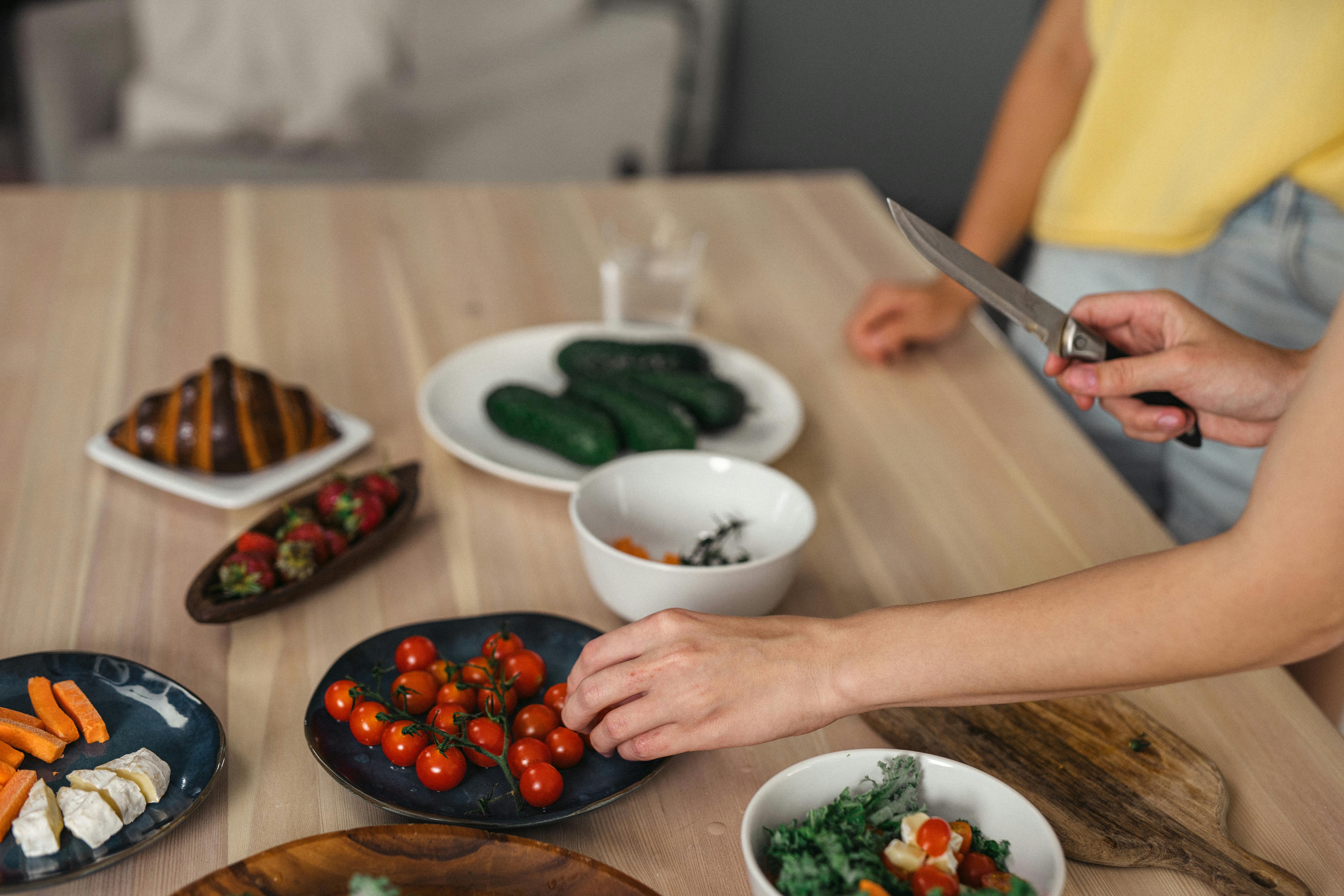
Master Nutrition for Effective Body Recomposition: Lose Fat, Build Muscle
Quick read below — save or share if useful.
If you’ve ever dreamed of simultaneously shedding fat and building muscle, you're not alone. Many fitness enthusiasts grapple with the challenge of body recomposition, which refers to changing your body composition by losing fat while gaining lean muscle mass. Understanding how to strategically eat for body recomposition is vital for anyone looking to achieve this balance, especially if you're developing a fitness regime at home.
Why this matters
Achieving body recomposition is not just a fantasy; it’s a realistic goal with the right nutritional approach. As more people embrace home fitness routines, knowing how to align your diet with your strength training and recovery is crucial. Effective nutrition can not only improve your physical appearance but also enhance your performance, energy levels, and overall health. This dual approach to fat loss and muscle gain fosters a healthier metabolism and can significantly boost your confidence and well-being.
What is happening
The foundational concept of body recomposition revolves around energy balance. Generally, losing fat requires a caloric deficit—consuming fewer calories than you burn—while gaining muscle typically necessitates a caloric surplus, signaling your body to build and repair muscle tissue. The challenge lies in balancing these conflicting demands.
Successful body recomposition is largely about manipulating macronutrients: proteins, fats, and carbohydrates. Prioritizing protein intake is crucial since it aids in muscle repair and promotes satiety. Healthy fats play a vital role in hormone production, which is essential for muscle growth and fat loss. Meanwhile, carbohydrates fuel workouts and recovery, making them indispensable to your fitness strategy.
A practical way to maintain this balance involves tracking your food intake and adjusting your macronutrient ratios based on your progress and changing goals. Incorporating nutrient-dense foods like vegetables, lean meats, whole grains, nuts, and seeds goes a long way in fueling your body right. Day-to-day meal planning and prep not only make healthy choices more accessible but also save time, which is particularly useful when juggling a busy schedule.
What readers can take away
- Focus on high-quality protein sources: Aim for at least 1.6 to 2.2 grams of protein per kilogram of body weight to support muscle recovery and growth.
- Incorporate strength training: Combine your nutritional strategy with a tailored strength training routine to optimize muscle gain while promoting fat loss.
- Master meal planning: Prep balanced meals that include protein, complex carbohydrates, and healthy fats to ensure your nutrition supports your fitness goals.
- Monitor your progress: Track your macronutrient intake and body changes to adjust your approach as necessary, ensuring continued progress towards your goals.
- Stay hydrated: Don’t underestimate the power of water. Proper hydration is crucial for overall health and fitness performance.
FAQ
How much protein should I consume daily for body recomposition?
Aim for around 1.6 to 2.2 grams of protein per kilogram of body weight, depending on your activity level and personal goals.
Can I achieve body recomposition without strength training?
While it's possible to lose fat through diet alone, strength training plays a crucial role in gaining muscle. Combining proper nutrition with resistance training yields the best results.
How quickly can I expect to see results from my body recomposition efforts?
Results can vary widely among individuals, but with consistency in both your nutrition and workout regimen, you may start noticing changes within a few weeks to months.
This article is informational only and is not medical advice. Original source: read more here.
- 𝕏 Twitter: @0_Simone_0
- 🎥 YouTube: Audiobook Free – Author Ciro Irmici
- 📸 Instagram: @spartaco_94_
- 💻 Tech Trends: techtrendspins.blogspot.com
- 💪 Fitness Home Journal: fitnesshomejournal.blogspot.com
- 🐾 Pet Care Inspo: petcareinspo.blogspot.com
- 🌍 Nomad Vibes Board: nomadvibesboard.blogspot.com
- 💰 Crypto Radar Board: cryptoradarboard.blogspot.com
- 🌱 Green Planet Pins: greenplanetpins.blogspot.com
- 🥗 Healthy Eats Board: healthyeatsboard.blogspot.com
Enjoyed this post? Share it or explore more across my blogs and channels.