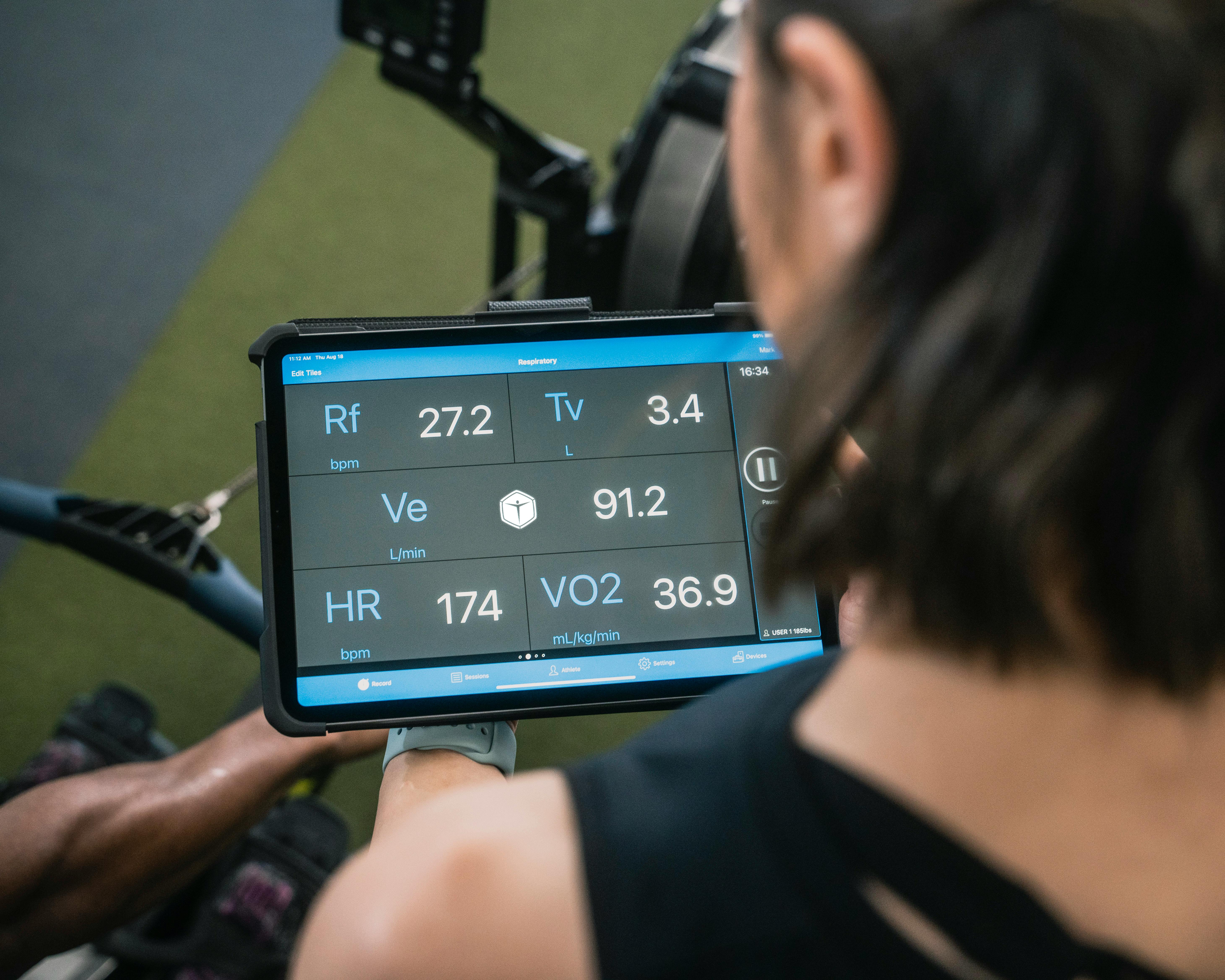
Quick context: "25 Ways to Boost Heart Health: Science and Tech Tips" The 25 Best Ways to Protect Your Heart Now Take advantage of new tech, new science, and new thinking. When it comes to keeping your heart healthy, there are a variety of.
For readers trying to make better daily choices, Heart Health Tips, Science and Tech Context works best with clear context, realistic takeaways and a cautious view of what the source does not say.
Key takeaways
- Start with the narrow claim in the source title instead of treating it as a complete guide.
- Look for the practical takeaway: habit, context, gear choice, health awareness or mindset.
- Avoid turning one headline into a diagnosis, prescription or one-size-fits-all recommendation.
- Use professional guidance for medical, mental health, nutrition or training decisions that affect your body.
Health context
A useful health article keeps the line clear between general awareness and individual care. The source can point to a topic, but personal decisions still depend on medical history, symptoms and professional evaluation.
For search readers, the best value is practical framing: what the issue is, why people may care and what cautious next steps make sense.
Why it matters
Health stories matter because readers often arrive with personal questions. Clear context helps them understand the issue without turning a brief update into medical advice.
That matters for SEO and for real readers: a page is more useful when it answers the likely follow-up questions without drifting into clickbait or overconfident advice.
Reader checklist
- Ask whether the post is about health, training, nutrition, gear, mindset or lifestyle.
- Notice whether the source gives evidence, expert context or only a short news-style claim.
- Match any takeaway to your own body, goals, schedule and safety needs.
- For health or training decisions, use qualified guidance before making major changes.
What happened
The source context points to heart health tips, science and tech context. This update keeps the claim focused and avoids adding unsupported statistics, medical claims, quotes or extra events.
When a source is brief, the stronger approach is to explain the practical angle, define the reader question and stay honest about what is not known from the available details.
FAQ
Is this personal medical or fitness advice? No. It is general context based on the available source title and brief.
Should readers act on this immediately? Not without considering their own health, experience and professional guidance when needed.
Why keep the article cautious? Because health, fitness, nutrition and mental wellness topics can affect real decisions, so clarity matters more than hype.
Related Fitness Home Journal reads
- Wellness updates and practical context
- Mental health and mindset reads
- Nutrition and healthy eating ideas
- More Fitness Home Journal training reads
Bottom line: Heart Health Tips, Science and Tech Context matters because readers deserve useful context they can apply carefully, without inflated claims or generic filler.
Health and wellness note: This article is informational and does not replace guidance from a qualified health, fitness, nutrition or mental health professional.